
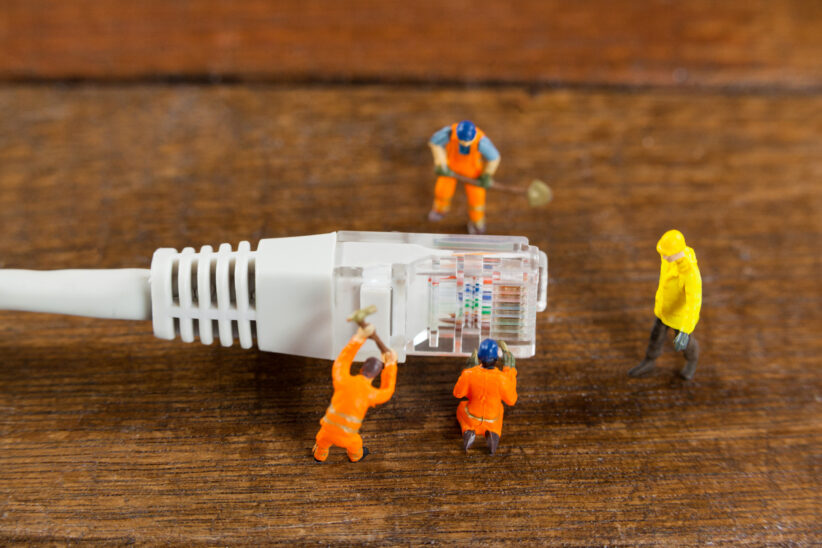
Fiber Internet Myths Debunked: Separating Fact from Fiction
- By wexport
- September 7, 2019
- 1155
- Uncategorized
Fiber internet has become the gold standard in connectivity, known for its speed, reliability, and capacity to handle multiple devices simultaneously. However, with its growing popularity, several myths and misconceptions about fiber internet have emerged. Let’s break down the most common myths and uncover the truth.
Fiber Internet Is Expensive
Fact: While fiber internet may have had a premium cost when it first rolled out, prices have become highly competitive.
- Why this myth exists: Early adopters paid more for installation and service because fiber networks were limited and the infrastructure was new.
- Reality: As more providers invest in fiber networks, prices have dropped. In many areas, fiber plans are comparable to cable or DSL, with better performance and value for money.
Fiber Is Only for Urban Areas
Fact: Fiber networks are expanding to rural and suburban regions.
- Why this myth exists: Initially, fiber internet was concentrated in urban areas with high population density because it was more cost-effective to deploy there.
- Reality: Governments and private companies are heavily investing in bridging the digital divide, expanding fiber infrastructure to less populated regions. In some countries, rural areas are now receiving fiber access before urban upgrades due to targeted programs.
Fiber Internet Speeds Are Only Marginally Better
Fact: Fiber delivers significantly faster and more consistent speeds than other technologies.
- Why this myth exists: Marketing terms like “high-speed internet” are used loosely by many providers, making consumers think all internet types offer similar speeds.
- Reality: Fiber can deliver symmetrical upload and download speeds (e.g., 1 Gbps both ways), unlike cable or DSL, where upload speeds are often a fraction of downloads. This makes fiber ideal for activities like video conferencing, streaming, and gaming.
Fiber Internet Is Fragile
Fact: Fiber-optic cables are more durable than copper wires.
- Why this myth exists: Since fiber uses glass strands to transmit data, many assume it’s prone to breaking.
- Reality: Fiber-optic cables are designed to withstand environmental conditions and physical stress. They are often buried underground or encased in protective conduits, making them less susceptible to damage than traditional copper lines.
Installation Is Disruptive and Complicated
Fact: Fiber installation is straightforward in most cases.
- Why this myth exists: People imagine construction crews tearing up roads and walls during installation.
- Reality: While laying the initial infrastructure might require some groundwork, installing fiber in homes or businesses is minimally invasive. Many providers use existing ducts or utility poles to run cables, and the process can often be completed in a few hours.
Fiber Internet Is Only for Tech Enthusiasts
Fact: Fiber benefits everyone, from casual browsers to hardcore gamers.
- Why this myth exists: The emphasis on ultra-fast speeds and tech-heavy benefits can make it seem like fiber is overkill for average users.
- Reality: Fiber enhances the online experience for all users. Whether streaming movies, attending virtual meetings, or simply browsing social media, the increased speed and reliability improve everyday tasks.
Fiber Will Soon Be Outdated
Fact: Fiber is future-proof and will remain relevant for decades.
- Why this myth exists: Rapid advancements in technology lead some to believe that newer, better solutions will quickly replace fiber.
- Reality: Fiber-optic technology is scalable, meaning it can handle future advancements with minimal upgrades. Unlike copper, which has physical limitations, fiber can support increasing data demands for years to come.
All Fiber Providers Offer the Same Service
Fact: Not all fiber providers are created equal.
- Why this myth exists: The term “fiber internet” can be misleading if providers offer a hybrid service (e.g., fiber to the node and copper to the home).
- Reality: True fiber-to-the-home (FTTH) services deliver the full benefits of fiber, whereas hybrid solutions may still rely on slower technologies for the last stretch. It’s essential to research and choose a provider offering genuine FTTH.
Why Fiber Internet Matters
Fiber internet is more than just fast downloads—it’s about reliability, future-readiness, and a smoother online experience. As demand for connected devices and high-bandwidth applications grows, fiber is poised to become the backbone of global connectivity.
Whether you’re streaming your favorite shows, working remotely, or managing a smart home, fiber internet offers unparalleled advantages. Don’t let the myths hold you back—embrace the technology and enjoy the internet as it was meant to be: fast, reliable, and frustration-free.
Conclusion
Debunking myths about fiber internet helps pave the way for informed decisions. As the technology becomes more accessible and affordable, it’s clear that fiber is a game-changer in the world of connectivity. Have you made the switch to fiber yet? If not, now is the time to explore your options



This is a good time to mention container (smart) components vs (dumb) components. Container components house business logic, make data calls, etc. Regular, or dumb, components receive data from their parent (container) component. Dumb components may trigger logic, like updating state, but only by means of functions passed down from the parent (container) component.